Global Price Pressures Refuse to Cool
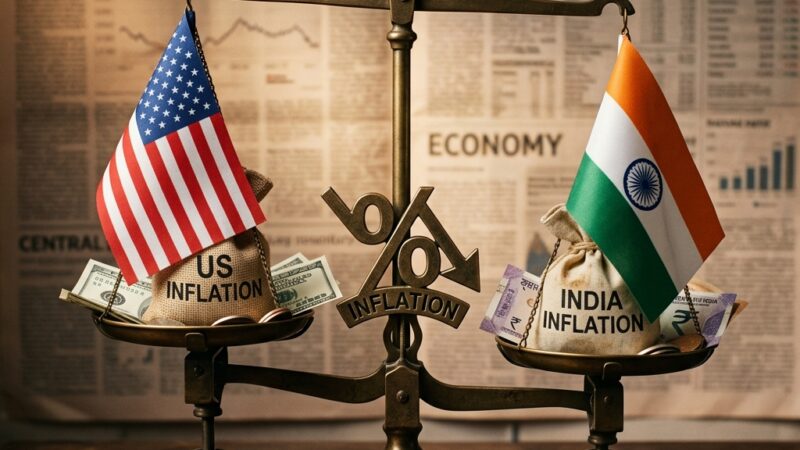
Central banks around the world are facing a renewed challenge as inflation figures show unexpected resilience. In the United States, consumer prices have reached their highest level in three years, driven by housing costs and energy volatility. Meanwhile, India’s retail inflation for April has risen to 3.48%, a slight uptick that keeps policymakers on high alert despite being within the RBI’s comfort zone.
For India, the rise is primarily attributed to a spike in food prices, particularly vegetables and pulses, following erratic weather patterns. While the headline number remains manageable, the persistent nature of ‘core inflation’—which excludes volatile food and fuel—suggests that interest rate cuts may still be some time away. The Reserve Bank of India is expected to maintain a ‘withdrawal of accommodation’ stance to ensure that price stability is not compromised in the long run.
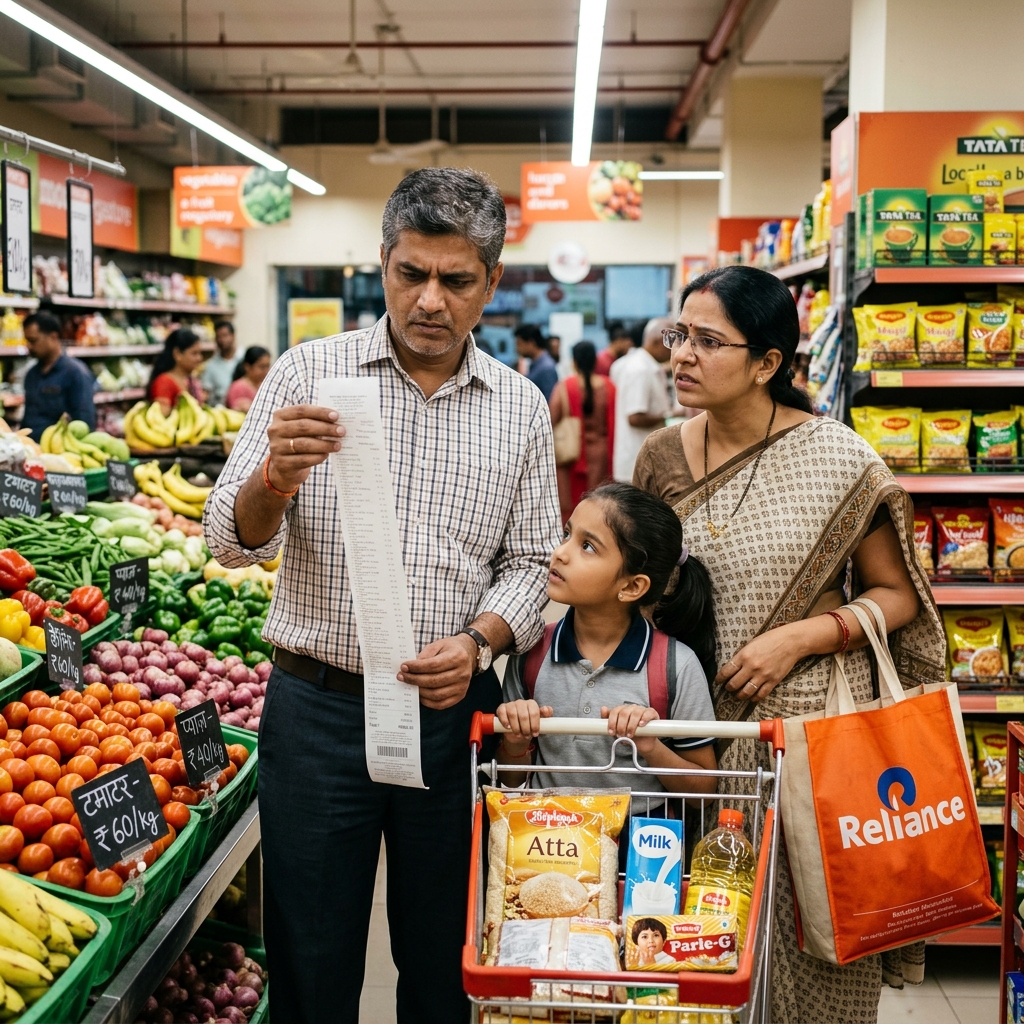
The contrast between US and Indian inflation trends highlights the decoupling of emerging markets from Western economic cycles. However, as long as US inflation remains high, the ‘higher-for-longer’ interest rate regime in the West will continue to put pressure on the Indian Rupee and capital flows. Investors are closely watching the upcoming monsoon season, which will be the ultimate decider for India’s domestic price trajectory in the second half of the year.
Disclaimer: This article is for informational purposes only and does not constitute investment advice, a recommendation, or a solicitation to buy or sell any securities. The views expressed are those of the author and do not represent the official position of Benzinga India. Readers should consult a SEBI-registered financial advisor before making any investment decisions. Benzinga India and its authors do not hold any positions in the securities mentioned in this article unless explicitly stated.