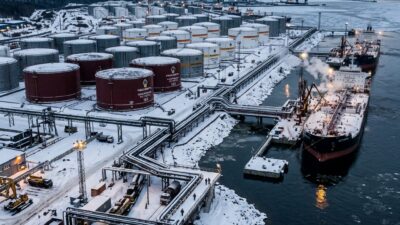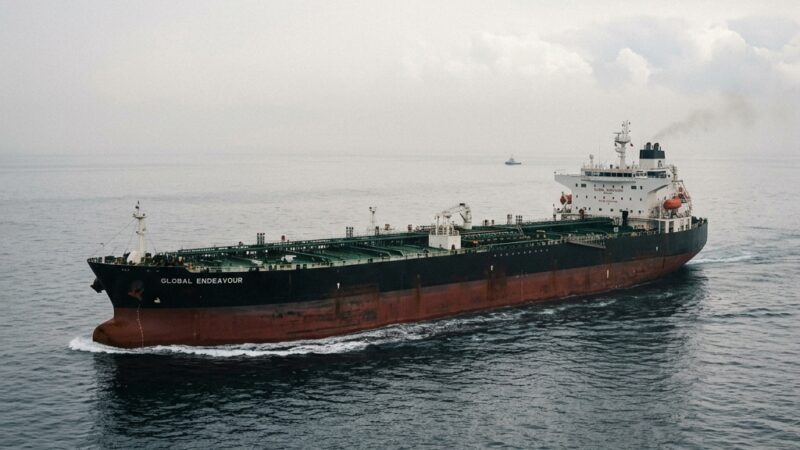
EU Member States Review Impact of G7 Oil Sanctions
The European Union (EU) is in discussions regarding a potential relaxation of the G7-led price cap on Russian crude oil exports. The debate is driven by concerns over global energy supply security and rising transport costs, which have impacted European energy import bills and threatened to drive up global crude prices ahead of the winter season.
Under the G7 sanctions framework, western shipping, insurance, and financing companies are prohibited from facilitating maritime transport of Russian crude unless it is sold below $60 per barrel. However, the rise of a “shadow fleet” of tankers operating outside Western jurisdictions has reduced the effectiveness of the cap, prompting some EU nations to suggest raising the cap limit to bring trade back into regulated channels.

Balancing Energy Security with Sanctions Integrity
Proponents of relaxing the price cap argue that a higher limit would encourage regular supply flows and lower maritime insurance premiums. Opponents contend that easing the restrictions would weaken the geopolitical leverage of the G7 sanctions and increase revenue for the Russian state. The European Commission has requested detailed reports on global crude flows before making a formal recommendation to member states.