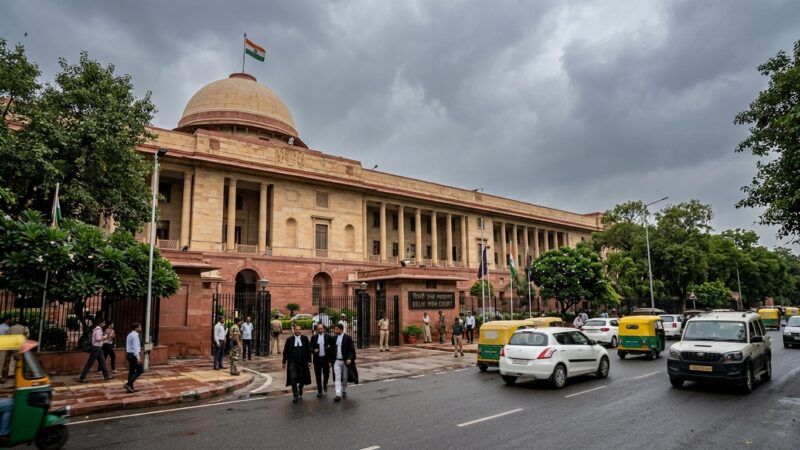
Delhi High Court Delivers Milestone Ruling on AI Training and Copyright Law
In a watershed legal verdict for the artificial intelligence industry, the Delhi High Court has dismissed an interim injunction application filed by premier news agency Asian News International (ANI) against ChatGPT creator OpenAI. The 135-page judgment, authored by Justice Amit Bansal, marks India’s first detailed judicial interpretation of how the pre-digital Copyright Act of 1957 applies to modern generative AI architectures and web scraping practices.
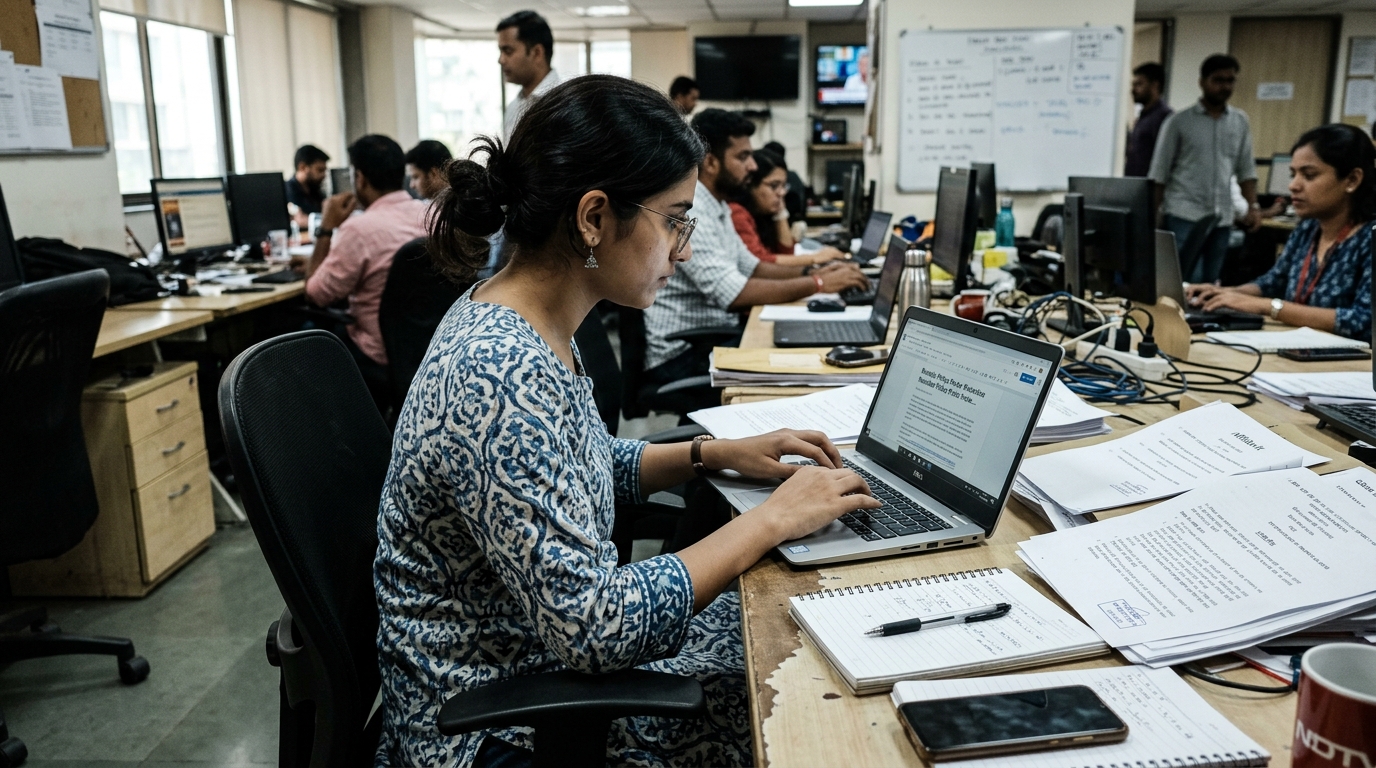
ANI had initiated legal proceedings alleging that OpenAI systematically scraped its proprietary news archives, press releases, and interview content to train underlying Large Language Models (LLMs) without obtaining authorization or providing financial compensation. Furthermore, ANI contended that hallucinated outputs by ChatGPT attributed false or fabricated quotes to the news outlet, causing reputational damage and misleading the public.
Section 52 Fair Dealing Defense Upheld at Prima Facie Stage
In rejecting the request for an immediate restraining order, the High Court held that OpenAI’s temporary storage and processing of publicly accessible digital content for LLM training prima facie qualifies under the ‘fair dealing’ exception of Section 52 of the Copyright Act, 1957. The court emphasized that training AI models involves analyzing statistical language patterns rather than verbatim reproduction or unauthorized commercial publishing of original literary works.
The bench observed that ANI failed to demonstrate substantial verbatim regurgitation by ChatGPT, noting that modern AI responses generate novel synth-text rather than reproducing entire underlying articles. The court also rejected arguments that the lawsuit should be dismissed strictly over server jurisdiction, affirming the High Court’s authority to adjudicate digital copyright claims affecting domestic entity rights within India.
Government Panel Formed as Global Copyright Frameworks Evolve
While OpenAI secured an interim legal victory, the core lawsuit remains pending for full trial, and ANI has indicated plans to file an appeal before a division bench. In response to the growing legal ambiguity surrounding AI training data, the Ministry of Commerce and Industry has constituted an expert committee to examine whether legislative amendments to the Copyright Act are necessary to establish clear licensing standards, fair compensation models, and transparency mandates for AI developers operating in India.
Disclaimer: This article is for informational purposes only and does not constitute investment advice, a recommendation, or a solicitation to buy or sell any securities. The views expressed are those of the author and do not represent the official position of Benzinga India. Readers should consult a SEBI-registered financial advisor before making any investment decisions. Benzinga India and its authors do not hold any positions in the securities mentioned in this article unless explicitly stated.