EU Plans Ban on Huawei, ZTE: The Latest News You Need
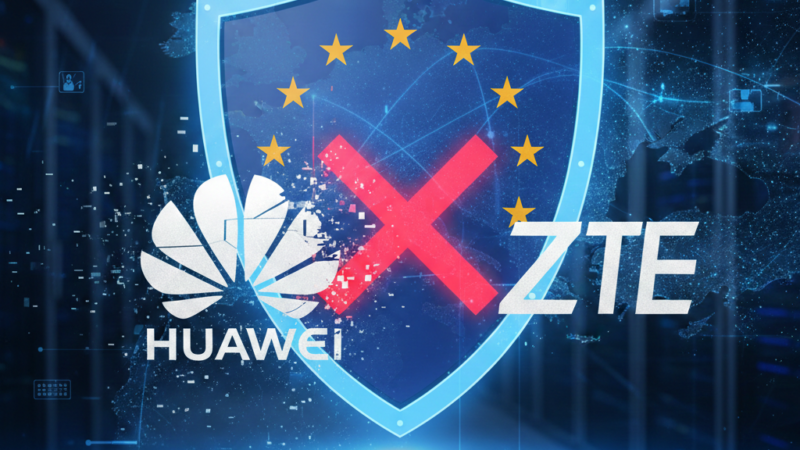
The European Union is taking decisive steps to restrict the use of telecommunications equipment from Chinese tech giants Huawei and ZTE within its member states. This significant development signals a hardening stance against what Brussels perceives as potential security risks associated with these vendors. The news has sent ripples through the global tech industry, raising questions about supply chains, future network deployments, and the broader geopolitical implications of technology.
This move by the EU is not entirely unexpected. For several years, concerns have been mounting within Western intelligence agencies and governments regarding the potential for Chinese state interference through telecommunications infrastructure. The arguments often center on national security, data privacy, and the risk of espionage. While Huawei and ZTE have consistently denied any wrongdoing and claim their operations are independent of the Chinese government, these assurances have not been enough to allay the fears of many European nations.
Deepening Concerns: The Security Dilemma
The primary driver behind the EU’s proposed ban stems from a perceived lack of trust in the security and independence of Huawei and ZTE. Critics argue that Chinese national security laws could compel these companies to cooperate with intelligence agencies, potentially granting them access to sensitive data and allowing for surveillance. This is a critical concern, especially as 5G networks, which will form the backbone of future digital infrastructure, are being rolled out across the continent. The ubiquity and critical nature of 5G make any potential vulnerabilities in its core components highly problematic.
European countries have been individually assessing the risks posed by these Chinese vendors for some time. Some, like Sweden and the UK, had already implemented partial or full bans on Huawei equipment in their 5G networks. The EU’s coordinated approach aims to create a more unified and consistent policy across the bloc, preventing a fragmented security landscape and ensuring a level playing field for other equipment suppliers. The European Commission has been actively working with member states to identify and mitigate these risks, leading to the current proposed ban.
Understanding the EU’s Approach to Huawei and ZTE
The EU’s decision to move towards a ban is multifaceted. It involves a comprehensive assessment of the potential threats and a strategic plan to manage the transition away from Huawei and ZTE. The approach is designed to be phased, allowing telecommunications operators time to replace existing equipment and procure alternatives. This is crucial to avoid major disruptions to network services and to manage the significant financial implications for mobile operators.
The EU has emphasized that this decision is based on risk assessments rather than outright prohibitions, though the practical outcome is a strong push for exclusion. Member states are being urged to exclude “high-risk vendors” from their core 5G networks. This designation directly impacts Huawei and ZTE, effectively barring them from supplying critical components for the most sensitive parts of future mobile communication systems. The aim is to ensure that the infrastructure underpinning the digital economy is secure and trustworthy.
The Impact on European Telecom Operators
For major European telecommunications companies that have heavily invested in Huawei and ZTE equipment, this news presents a significant challenge. Replacing existing infrastructure is a costly and complex undertaking. These operators will need to find new vendors, reconfigure their networks, and ensure compatibility with existing systems. The scramble for alternative suppliers could also lead to increased costs for network upgrades, potentially impacting service prices for consumers.
Companies like Deutsche Telekom, Vodafone, and Orange, which have a substantial presence in the European market, will be closely watching the implementation of these new regulations. They will need to devise strategies to comply with the EU’s directives while minimizing operational and financial disruption. The availability and cost of alternative equipment from vendors such as Ericsson and Nokia, European competitors, will become even more critical in this new landscape.
Geopolitical Ramifications and Global Trends
The EU’s decision is also a significant development in the ongoing geopolitical competition surrounding technology. It aligns the EU more closely with the United States, which has also been actively campaigning for its allies to exclude Huawei and ZTE from their networks. This growing alignment reflects broader concerns about China’s growing technological influence and its potential impact on global security and economic stability.
The ban sends a clear message to China about the EU’s commitment to safeguarding its digital sovereignty and its willingness to prioritize security over certain economic dependencies. It also highlights the increasing politicization of technology, where national security considerations are playing a larger role in procurement decisions. This trend is likely to continue, shaping the future of the global technology landscape and potentially leading to further fragmentation of supply chains and technological ecosystems.
Looking Ahead: The Future of Network Security
The EU’s planned ban on Huawei and ZTE is a watershed moment for the telecommunications industry in Europe. It underscores the paramount importance of trust and security in critical infrastructure. While the transition will undoubtedly be challenging for operators, it also presents an opportunity to build more secure and resilient networks for the future. The focus will now shift to ensuring a smooth and effective implementation of these new policies, fostering innovation in secure telecommunications, and navigating the complex geopolitical landscape of global technology. The coming years will reveal the full extent of this decision’s impact on both the European digital economy and the international stage.