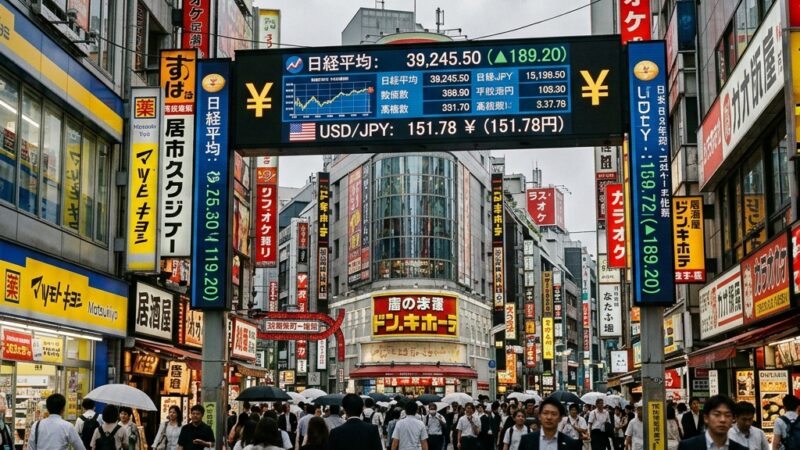
Government Subsidies and Fee Cuts Slow Price Growth
Japan’s core consumer price index (CPI), which excludes fresh food, rose by 1.4% year-on-year in April 2026, marking the slowest pace of inflation since March 2022. The print came in below market expectations of 1.7% and represents a decline from previous months, primarily driven by government energy subsidies and a 10.6% drop in private education fees.
The core-core CPI, which excludes both fresh food and energy, slowed to 1.9%, falling below the Bank of Japan’s (BoJ) 2% target. This slowdown has introduced uncertainty regarding the central bank’s plans for monetary policy normalization. The BoJ has been considering further interest rate hikes to address currency depreciation and rising wage growth, but the April data may encourage a more cautious approach.
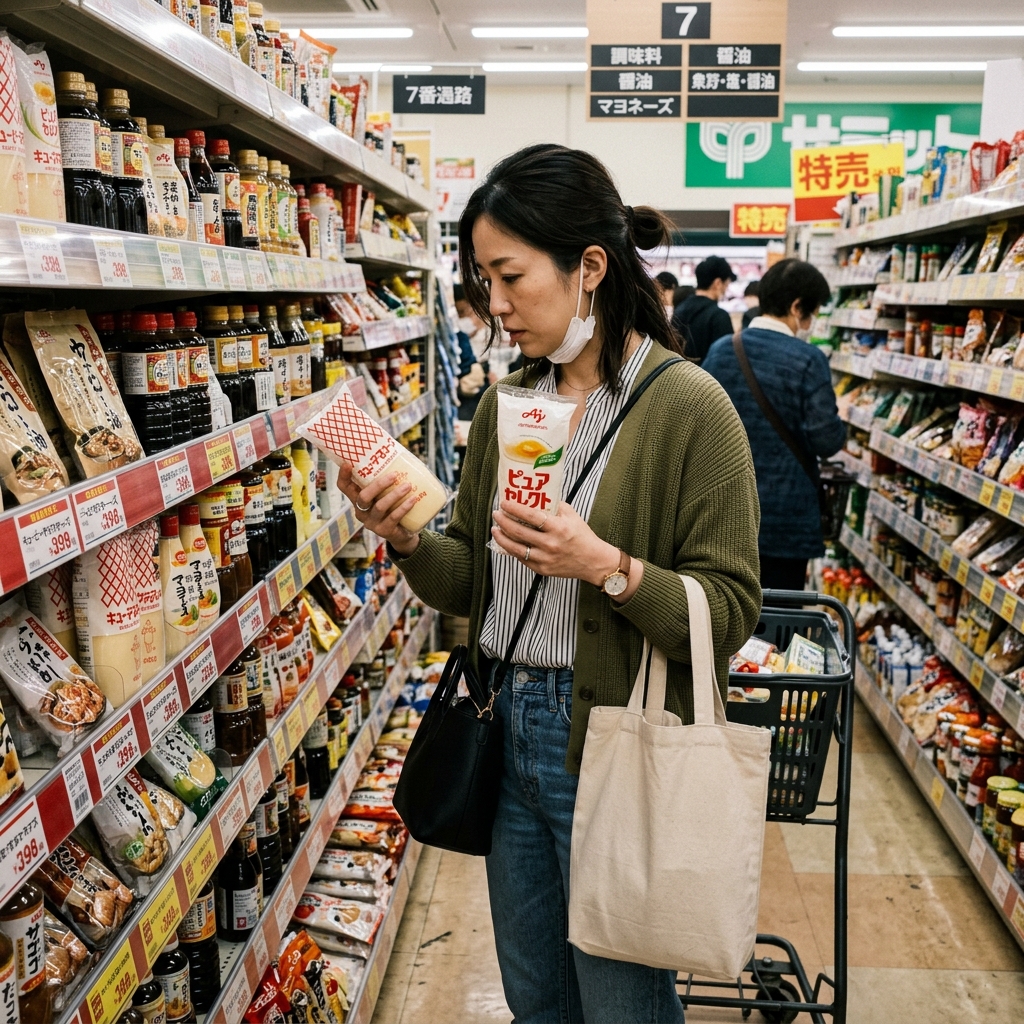
Yen Depreciation and Import Cost Pressures
Despite the slowdown in CPI, underlying price pressures remain a concern due to the weakness of the Japanese Yen. The depreciating currency has increased the cost of imported raw materials and energy, placing pressure on domestic manufacturers. Economists indicate that once the temporary impact of government subsidies fades, core inflation is likely to return to the 2% level, driven by recent wage increases agreed during spring labor negotiations.
Disclaimer: This article is for informational purposes only and does not constitute investment advice, a recommendation, or a solicitation to buy or sell any securities. The views expressed are those of the author and do not represent the official position of Benzinga India. Readers should consult a SEBI-registered financial advisor before making any investment decisions. Benzinga India and its authors do not hold any positions in the securities mentioned in this article unless explicitly stated.