Major Healthcare Provider Launches Blockbuster ₹9,275 Crore Public Offer
India’s leading healthcare network, Manipal Health Enterprises Limited, is launching its highly anticipated Initial Public Offering (IPO) on July 29, 2026, seeking to raise a total of ₹9,275 crore. The landmark issue, which closes for subscription on July 31, comprises a fresh equity issuance of ₹8,000 crore alongside an Offer for Sale (OFS) of ₹1,275 crore by existing private equity investors, establishing one of the largest healthcare listings in Indian capital market history.
Management has designated the primary objective of the fresh issue as comprehensive balance sheet de-leveraging. The company has earmarked ₹5,552.76 crore from net fresh proceeds to prepay and extinguish outstanding high-cost debt and accrued interest incurred by its principal operating subsidiary, Manipal Hospitals Private Limited, dramatically reducing annual financial expense burdens.
Balance Sheet Transformation Toward Net-Zero Debt Position
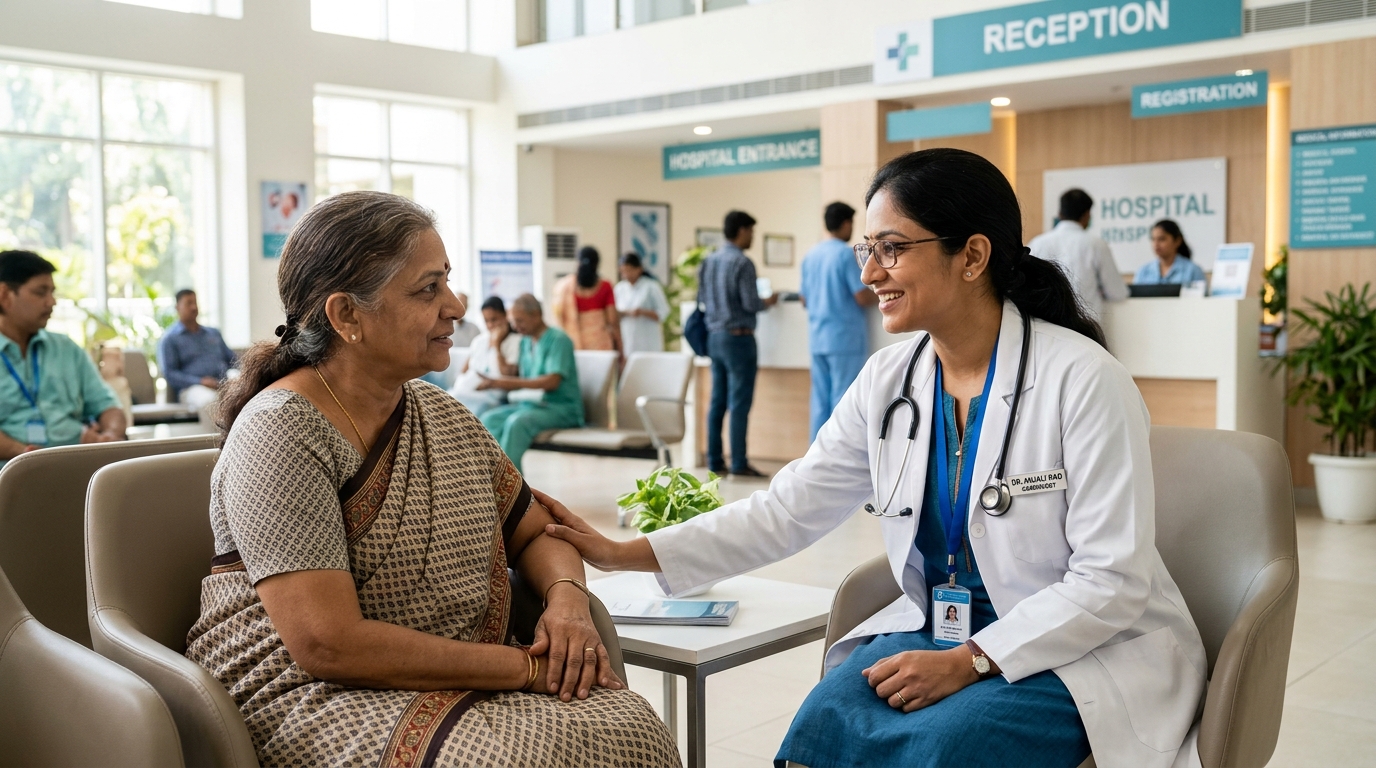
Chief Executive Officer Dilip Jose emphasized that deploying IPO capital for debt repayment will fundamentally transform the group’s capital structure. With total gross borrowings standing at ₹10,553 crore prior to the issue, the planned debt reduction will enable Manipal Health to achieve a net-debt-free status, unlocking substantial operating cash flows to fund organic expansion and operating margin accretion.
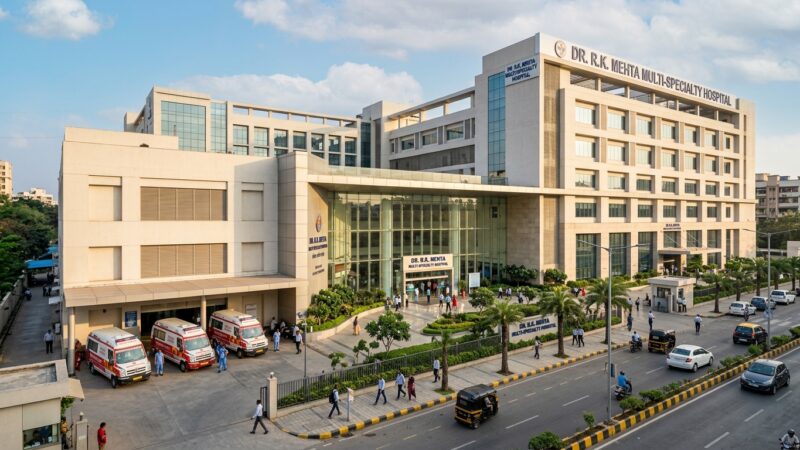
In addition to primary debt extinguishment, the prospectus allocates ₹574 crore toward acquiring the remaining minority equity stake in step-down subsidiary Sahyadri Hospitals Private Limited. The consolidation ensures 100% operational and financial control over Sahyadri’s premier multi-specialty network across Maharashtra, streamlining corporate governance and inter-company cash flows.
Adding 3,000 Beds Over Three Years to Meet Surging Healthcare Demand
With interest outflows curtailed, Manipal Health plans to execute an aggressive brownfield and greenfield expansion roadmap, adding over 3,000 new hospital beds across Tier-1 and Tier-2 metro regions over the next 36 months. Institutional market interest remains high, with analysts citing strong occupancy rates, rising ARPOB (Average Revenue Per Occupied Bed), and expanding tertiary care specialties as key drivers for long-term equity upside.
Disclaimer: This article is for informational purposes only and does not constitute investment advice, a recommendation, or a solicitation to buy or sell any securities. The views expressed are those of the author and do not represent the official position of Benzinga India. Readers should consult a SEBI-registered financial advisor before making any investment decisions. Benzinga India and its authors do not hold any positions in the securities mentioned in this article unless explicitly stated.