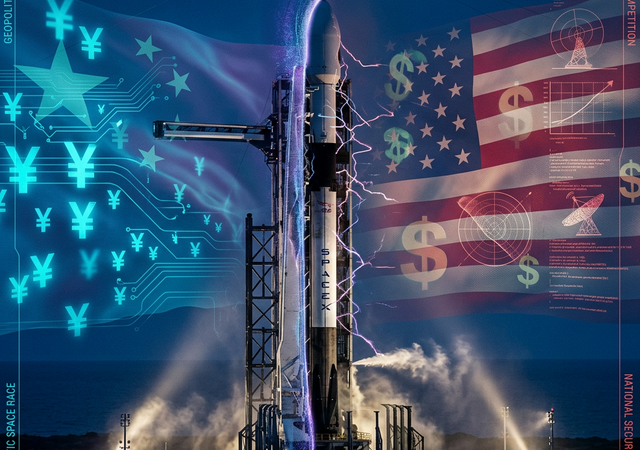
The Beijing Connection: SpaceX Under the Congressional Microscope
SpaceX, the linchpin of American space dominance and a critical partner for the Pentagon and NASA, is now at the center of a geopolitical firestorm. Reports have surfaced that the Elon Musk-led company has received direct investments from Chinese investors, leading to a surge of national security concerns in Washington D.C.
The timing could not be more sensitive. SpaceX currently holds multibillion-dollar contracts with the U.S. government, including the highly classified Starshield project — a network of hundreds of spy satellites designed to provide the U.S. intelligence community with global surveillance capabilities. Critics argue that any degree of Chinese ownership could potentially lead to intellectual property theft or compromise the integrity of missions critical to national defense.
“Dual-Use” Dilemma: Musk’s China Exposure
While SpaceX itself is private and does not disclose its full list of investors, the intersection of Musk’s various ventures — particularly Tesla’s massive manufacturing presence in Shanghai — has long been a point of contention. Lawmakers are now questioning if China could leverage its influence to gain access to SpaceX’s rocket technology or satellite encryption protocols.
The U.S. committee on Foreign Investment in the United States (CFIUS) is reportedly monitoring the situation, as the Biden administration balances its reliance on SpaceX for ISS resupply and troop communications with the urgent need to shield the aerospace supply chain from “adversarial influence.”