The Shifting Dynamics of India’s Aviation Market
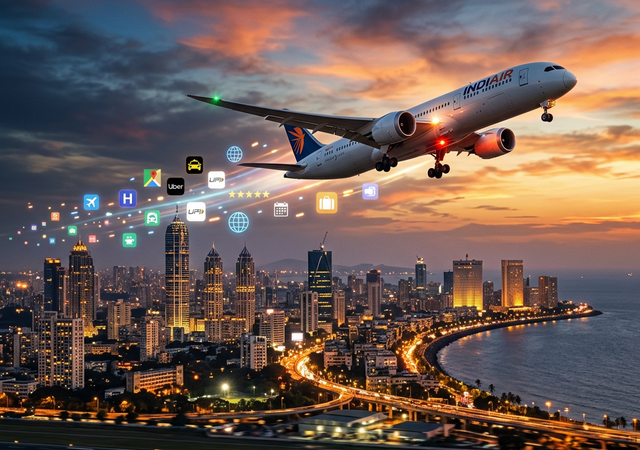
The Indian aviation sector is currently witnessing a massive power shift. For years, Online Travel Agencies (OTAs) such as MakeMyTrip, Ibibo, and Cleartrip have been the dominant platforms for booking flights, offering perceived convenience and aggressive discounts. However, this is rapidly changing. Major airlines, primarily IndiGo and the Air India Group—which collectively command nearly 90% of the Indian aviation market—have recognized that they no longer need to rely on intermediaries to fill their seats. By pushing customers toward their direct channels, airlines are fundamentally altering the business model of travel apps.
The Duopoly Effect and the Rise of Direct Bookings
India’s aviation market is essentially an oligopoly, overwhelmingly dominated by IndiGo and the Tata-owned Air India fleet. This market concentration grants these airlines immense bargaining power. They are now dictating terms and actively implementing strategies to draw consumers away from OTAs and onto their own airline-owned platforms.
The “Disintermediation” Strategy and Ancillary Revenues
One of the primary drivers of this shift is the pursuit of ancillary revenue. While the base price of a flight ticket might appear similar across platforms, airlines generate significant profit margins from add-ons. These include:
- Premium seat selection
- In-flight meals and pre-booked dining
- Extra baggage allowances
- Flexible cancellation and rescheduling options
Airlines are increasingly reserving their best deals, exclusive bundles, and premium features solely for their direct apps or websites. This practice, known as “disintermediation,” effectively limits what an OTA can offer. By keeping these lucrative add-ons in-house, airlines ensure that passengers who want a seamless, full-featured booking experience have no choice but to use the airline’s direct platform.
Squeezed Margins and the Reality of “Convenience Fees”
As airlines consolidate power, OTAs are feeling the squeeze. Airline commissions paid to OTAs have plummeted. For domestic flights, these commissions can now be as remarkably low as 0.25%. To put this into perspective: on a ₹5,000 ticket, an OTA makes a mere ₹12—a sum that barely covers their server and operational costs, let alone marketing.
To survive this margin compression, travel apps have been forced to introduce mandatory “convenience fees.” This creates a frustrating paradox for consumers: the perceived convenience of an all-in-one travel app often results in higher final prices. Surges of ₹400 or more in convenience fees can make the exact same ticket significantly more expensive on an OTA compared to booking directly with the airline.
How Savvy Travelers Can Beat the System
With airlines prioritizing direct customers, the era of relying solely on a single app to find the cheapest flights is ending. Here are actionable strategies to ensure you get the best value:
- Always Compare Direct Prices: Use OTAs for initial flight discovery, but always cross-check the final price on the airline’s official app or website before entering your payment details.
- Hunt for Special Discounts: Airlines frequently offer student, senior citizen, and armed forces discounts prominently on their platforms, which can undercut OTA pricing.
- Leverage Loyalty Programs: Airline loyalty programs generally provide far more tangible value (such as free upgrades, priority boarding, and true reward flights) than virtual “OTA coins.”
- Examine Cancellation Policies: Compare the fine print. Airline “flexi-fares” often offer better real-world value than an OTA’s “zero-cancellation” option. Moreover, direct bookings frequently provide a mandatory 24-hour free cancellation window, a benefit rarely mirrored by OTAs.
The Future Pivot of Online Travel Apps
In response to these aviation challenges, Indian travel apps are pivoting. Finding flight ticket margins unsustainable, platforms like MakeMyTrip are shifting focus toward higher-margin services such as hotel bookings and comprehensive holiday packages. While airlines own the planes, OTAs still possess massive troves of consumer data, allowing them to reposition themselves as “lifestyle concierges,” cross-selling travel insurance, cab rentals, and curated experiences.
Ultimately, while travel apps remain useful for comparing schedules and booking broad travel itineraries, the increasing “inconvenience fees” signify a turning point. For the smart Indian traveler, going direct is increasingly becoming the most financially savvy way to fly.