Court Upholds Emergency Section 69A Order to Prevent Paper Leaks
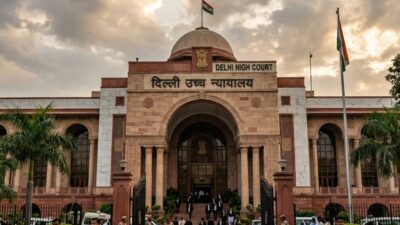
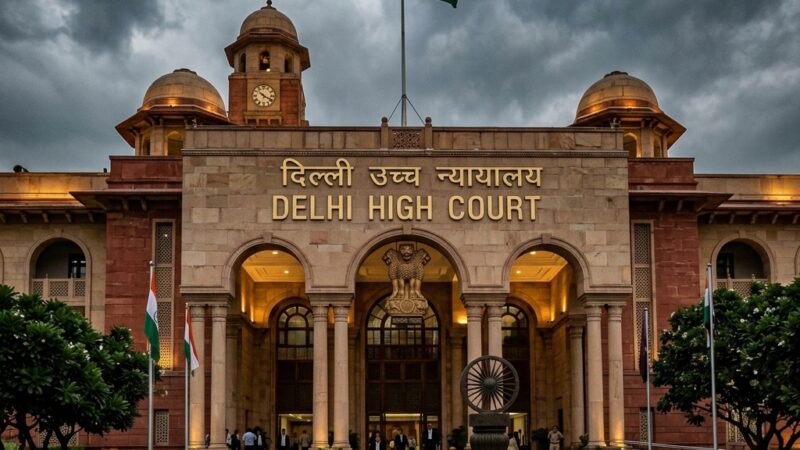
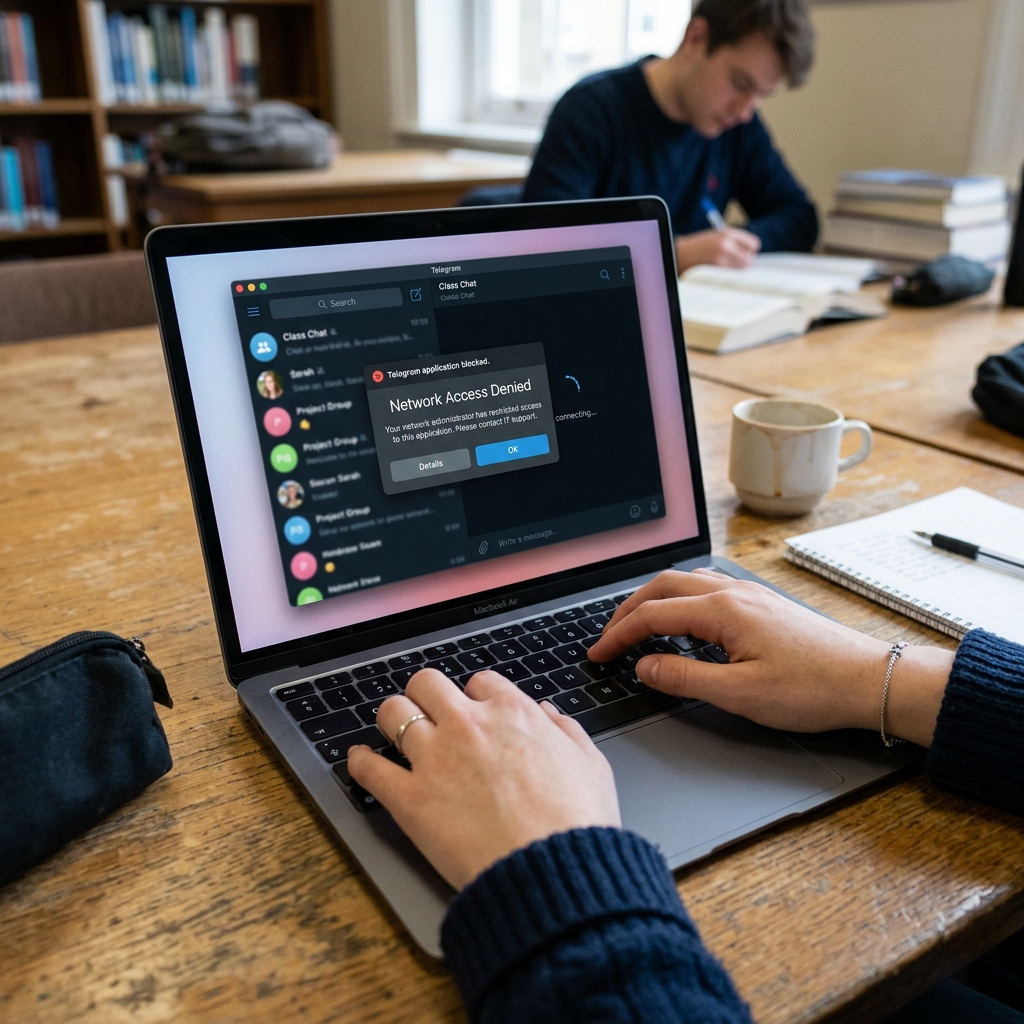
On June 19, 2026, the Delhi High Court dismissed a petition filed by instant messaging platform Telegram challenging the Indian government’s temporary ban on its services. Justice Tejas Karia upheld the Ministry of Electronics and Information Technology’s (MeitY) emergency order, ruling that the block was legally justified and proportionate under Section 69A of the Information Technology (IT) Act, 2000. The court agreed with the government’s argument that Telegram had become a primary channel for organized networks leaking exam papers and selling answers for the NEET-UG 2026 examination.
The court determined that the temporary ban, which was scheduled to remain in effect until June 22, 2026, was the ‘least restrictive measure’ available to the government given the massive national scale of the exam and the potential impact on millions of student candidates. Telegram’s defense team argued that the government should have blocked only specific channels rather than the entire application, but the court rejected this, pointing out that targeted URL blocks had historically failed to stop rapid content re-sharing.
Broad Legal Scope and Feature Disabling Directives
The Delhi High Court’s ruling affirmed that the definition of ‘information’ under the IT Act encompasses software applications and platforms, empowering the government to issue blocking directives against complete applications during emergencies. The temporary ban was timed specifically ahead of the NEET-UG re-examination scheduled for June 21, 2026. Furthermore, the court maintained the directive ordering Telegram to disable its message-editing feature globally in India until June 30, 2026, to prevent cheating networks from altering shared exam content.