Historic Restructuring Targets Up to 100,000 Job Cuts
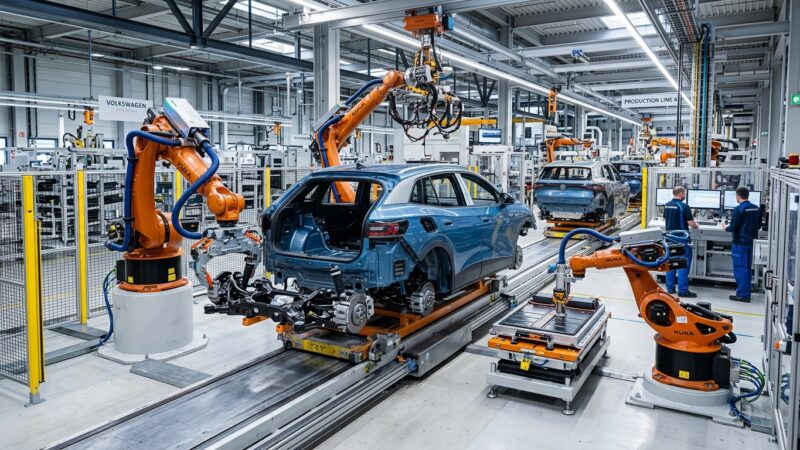
German automotive giant Volkswagen Group is navigating the most comprehensive and contentious restructuring program in its 89-year history, aiming to drastically cut costs to survive a rapidly shifting global market. CEO Oliver Blume has confirmed that the company is assessing the need for an additional 50,000 job cuts, which, combined with previous reductions, brings the potential total to a staggering 100,000 layoffs. Some labor representatives fear the final toll could reach 140,000 when downstream impacts are considered.
At the heart of the crisis is intense competition, particularly from low-cost Chinese electric vehicle (EV) manufacturers. Volkswagen is grappling with high domestic labor and energy costs, weak vehicle demand across Europe, and the massive capital investments required for software development and next-generation battery architectures. These mounting pressures have forced the automaker to fundamentally reassess its manufacturing footprint and global operational strategy.
Unprecedented Plant Closures Loom as Union Resistance Mounts
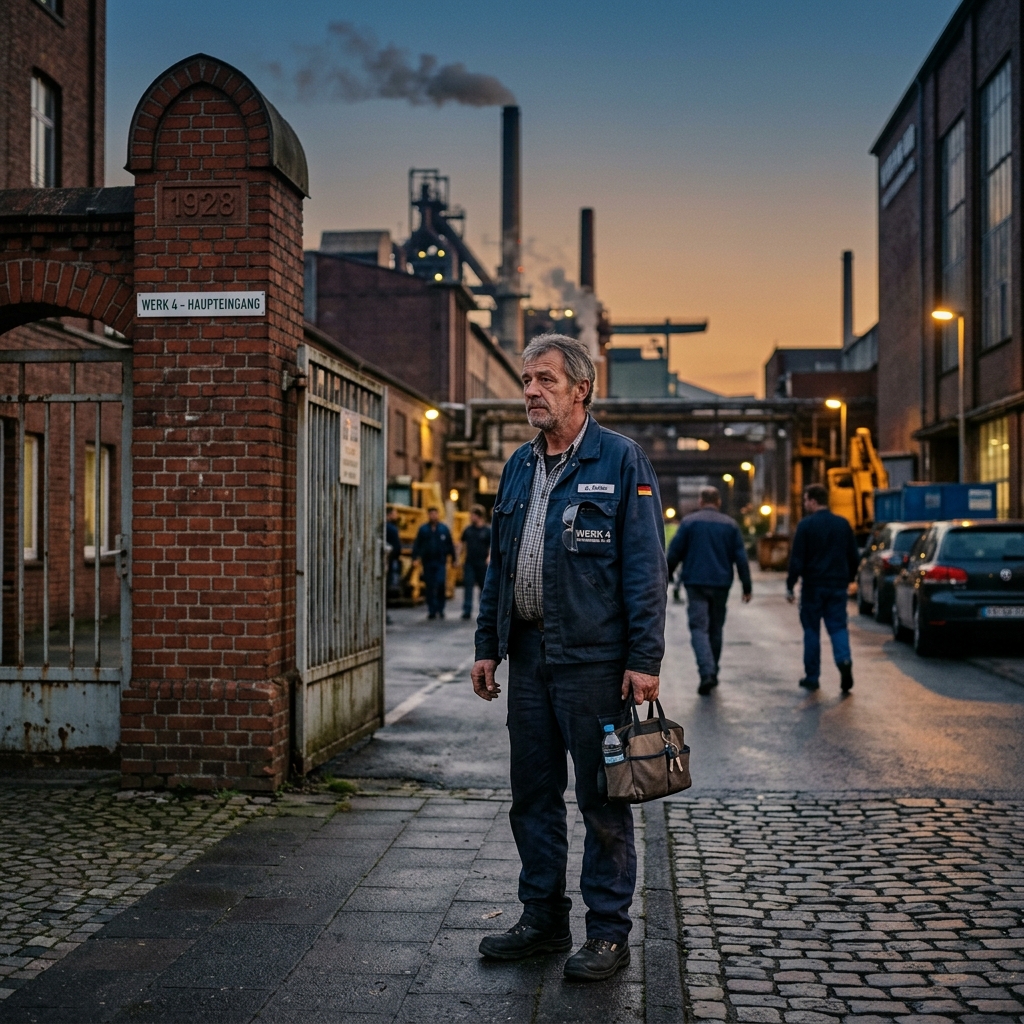
In an unprecedented move, Volkswagen is seriously considering the closure of four manufacturing plants on its home soil in Germany, specifically targeting facilities in Emden, Hanover, Zwickau, and Audi’s Neckarsulm site. Management has acknowledged that they currently cannot confirm competitive use cases for these specific locations into the 2030s. If executed, these closures would mark the first time the company has shut down factories in its native country.
However, the restructuring proposals are facing fierce resistance from powerful labor unions and the state of Lower Saxony, both of which hold significant sway on Volkswagen’s supervisory board. The board has thus far withheld approval for the factory shutdowns, leading to a tense standoff. In an attempt to address the growing unrest, the company’s works council has scheduled extraordinary staff assemblies, where executive leadership is expected to face directly with concerned employees to chart a viable path forward.
Disclaimer: This article is for informational purposes only and does not constitute investment advice, a recommendation, or a solicitation to buy or sell any securities. The views expressed are those of the author and do not represent the official position of Benzinga India. Readers should consult a SEBI-registered financial advisor before making any investment decisions. Benzinga India and its authors do not hold any positions in the securities mentioned in this article unless explicitly stated.