Flipkart Minutes Reaches 1,000 Dark Store Milestone
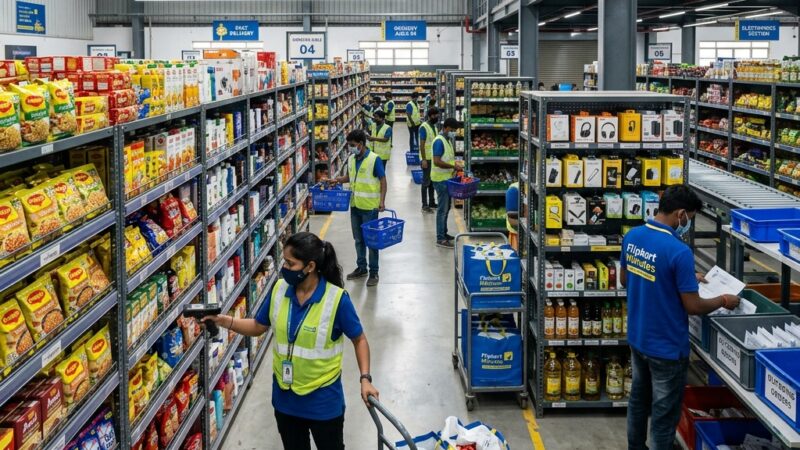
Flipkart’s aggressive foray into the hyper-competitive quick-commerce sector, operating under the banner “Flipkart Minutes,” has reached a major operational milestone. By July 2026, the service successfully scaled its localized logistics network to over 1,000 micro-fulfillment centers, commonly known as dark stores. This expansive network now covers more than 8,000 pincodes across 130+ cities, marking a rapid escalation in the ongoing “pin code war” against established quick-commerce incumbents like Blinkit, Zepto, and Swiggy Instamart.
Unlike its rivals, which remain heavily concentrated in major metropolitan areas, Flipkart Minutes is aggressively executing a “Bharat” strategy. Approximately 90 of its operational cities are located in Tier-2 and Tier-3 markets. The company is currently adding around 100 new dark stores every month, with internal targets set to reach 1,500 locations by the end of 2026. This strategy leverages Flipkart’s massive existing supply chain infrastructure to capture untapped, high-growth consumer demand in smaller Indian towns.

Order Volumes Surge 5X as Categories Expand
The aggressive infrastructure rollout is already yielding massive dividends, with Flipkart Minutes reporting an impressive 5x year-on-year growth in order volumes. Growth in Tier-2 and Tier-3 markets has been particularly staggering, registering a 42-fold scale increase. A significant driver of this momentum is the Gen Z demographic, which currently represents over 40% of the platform’s active customer base. These younger consumers are demonstrating a strong preference for instant gratification across a wide array of product categories.
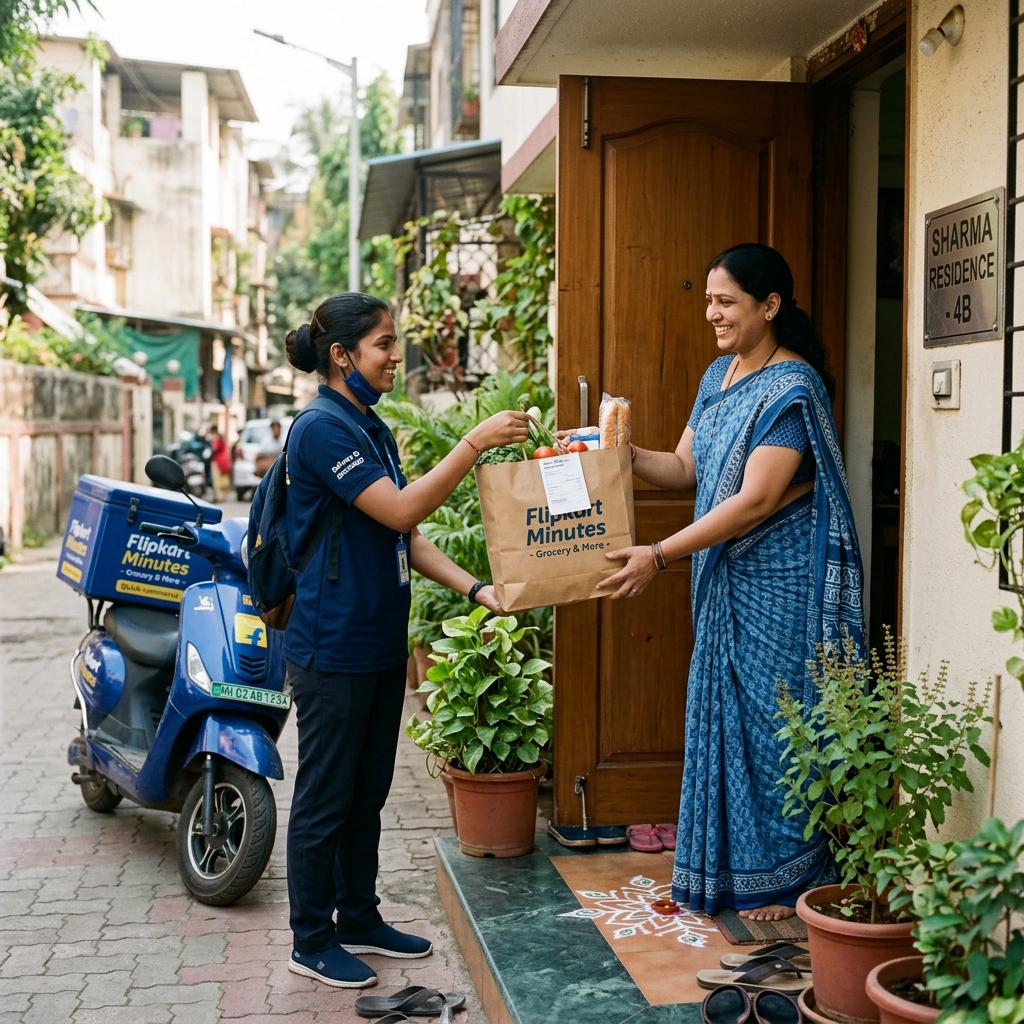
Responding to this demographic demand, Flipkart Minutes has rapidly evolved beyond standard groceries and daily essentials. The 10-minute delivery promise now extends to high-margin categories including consumer electronics, premium beauty products, home utilities, and fast fashion accessories. Industry analysts note that the entry of an e-commerce giant like Flipkart is fundamentally shifting the quick-commerce landscape, forcing competitors to expand their own product assortments and rethink their long-term infrastructure investments to defend their market share.
Disclaimer: This article is for informational purposes only and does not constitute investment advice, a recommendation, or a solicitation to buy or sell any securities. The views expressed are those of the author and do not represent the official position of Benzinga India. Readers should consult a SEBI-registered financial advisor before making any investment decisions. Benzinga India and its authors do not hold any positions in the securities mentioned in this article unless explicitly stated.