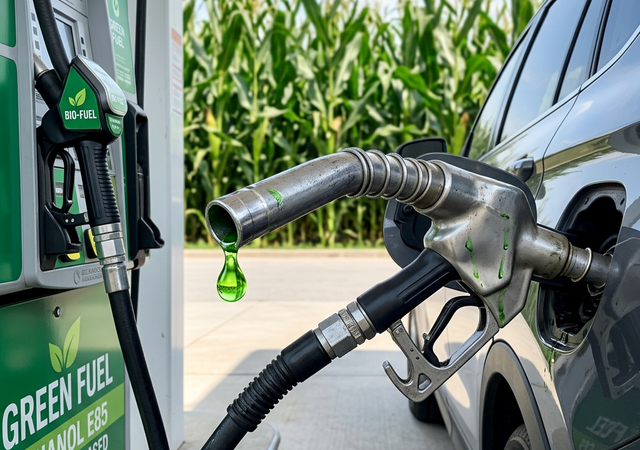
A Bold Step Toward Energy Independence
The Indian government has officially mandated that a 20% ethanol blend (E20) in petrol will be compulsory across the nation starting April 1, 2026. This ambitious target represents a cornerstone of India’s comprehensive strategy to reduce its crippling reliance on imported crude oil and aggressively decrease vehicular carbon emissions.
Economic and Environmental Impact
The implementation of E20 fuel is expected to yield massive macroeconomic benefits:
- Forex Savings: By replacing 20% of petrol volume with domestically produced ethanol, India is projected to save billions of dollars annually in foreign exchange currently spent on crude oil purchases.
- Agricultural Boost: The primary beneficiaries of this policy are the agrarian communities. Increased demand for ethanol directly boosts the procurement of surplus sugar, broken rice, and maize, augmenting farmer incomes significantly.
- Emission Reduction: E20 burns cleaner than standard unleaded petrol, leading to a marked reduction in carbon monoxide and hydrocarbon emissions in densely populated Indian cities.
Challenges on the Horizon
While the policy is sound, the rollout faces logistical hurdles. Automobile manufacturers must fast-track the production of flex-fuel engines capable of handling the corrosive nature of higher ethanol blends without sustaining long-term engine damage.
Disclaimer: This article is for informational purposes only and does not constitute investment advice, a recommendation, or a solicitation to buy or sell any securities. The views expressed are those of the author and do not represent the official position of Benzinga India. Readers should consult a SEBI-registered financial advisor before making any investment decisions. Benzinga India and its authors do not hold any positions in the securities mentioned in this article unless explicitly stated.