Strategic Shift from Simple Assembly to High-Value Component Ecosystems
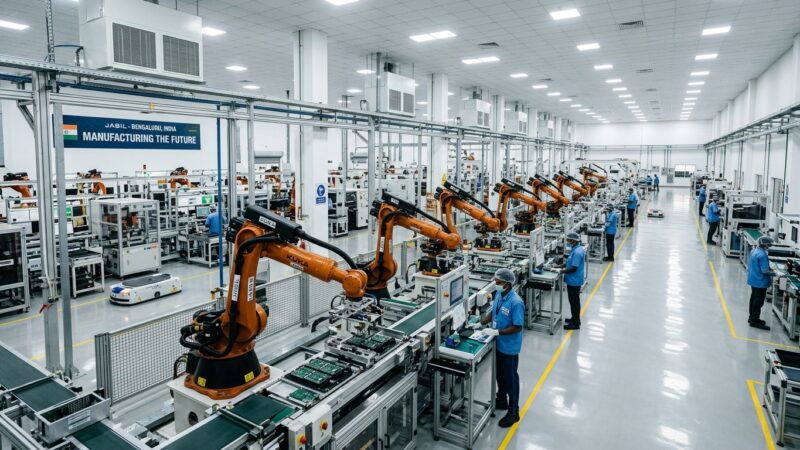
India’s landmark Production Linked Incentive (PLI) framework has entered an advanced strategic phase, pivoting from initial low-margin assembly incentivization toward high-value domestic component manufacturing, deep R&D, and proprietary technology ownership. While the initial 2020 PLI roll-out successfully transformed India into the world’s second-largest mobile phone producer—with 99.2% of domestic handsets now assembled locally—the government is aggressively targeting an increase in domestic value addition from 18% to over 45%.
Anchoring this policy evolution, the Union Cabinet approved the Mobile Phone Manufacturing Scheme (MPMS) with an outlay of ₹62,500 crore over five years. The new initiative explicitly rewards local sourcing of high-precision sub-assemblies, providing a specialized 3% sales incentive dedicated to domestic R&D, product design, and the cultivation of home-grown Indian smartphone brands.
Boosting Electronics Component Manufacturing Scheme Outlay to ₹40,000 Crore
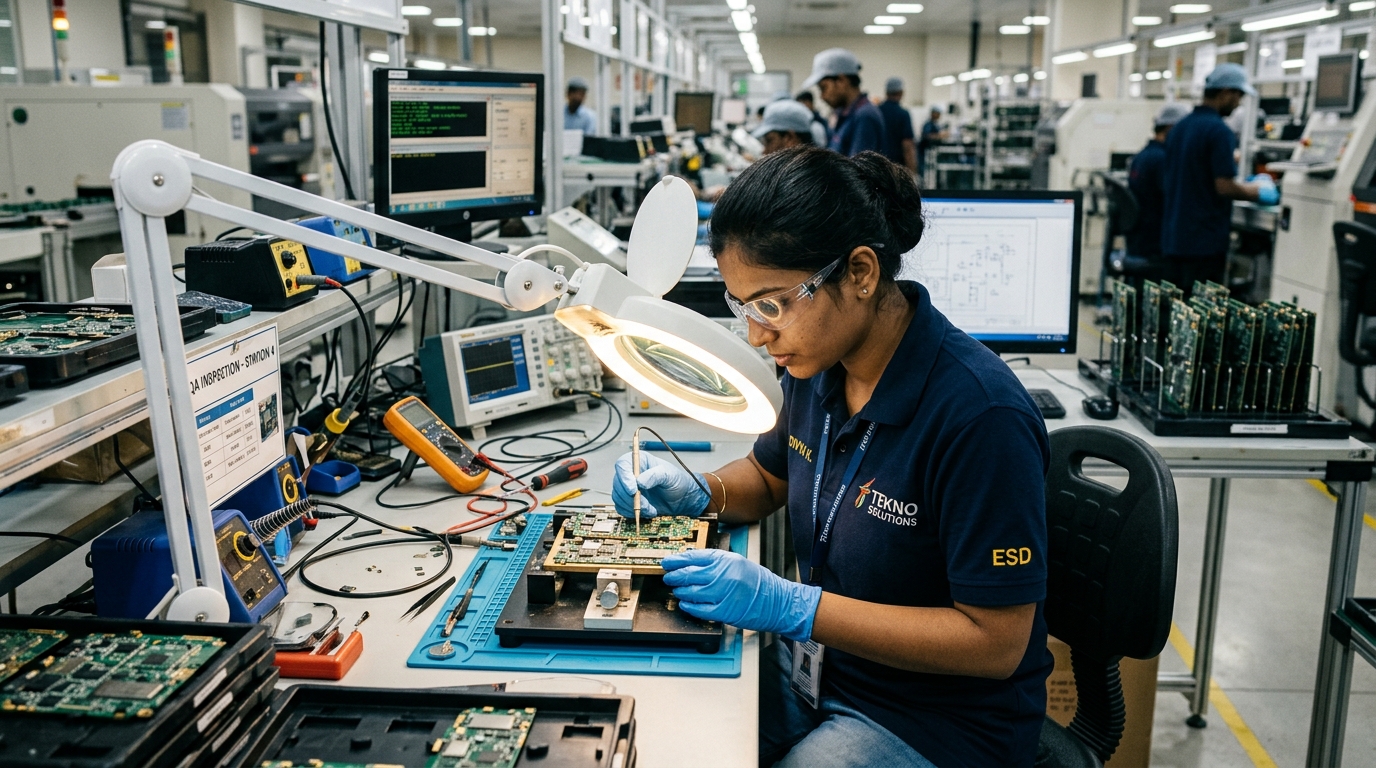
To eliminate systemic supply chain vulnerabilities, the government nearly doubled the budget of the Electronics Component Manufacturing Scheme (ECMS) to ₹40,000 crore. The expanded funding targets the ‘missing middle’ of electronics hardware, supporting local production of display modules, camera sensor assemblies, multi-layer Printed Circuit Board Assemblies (PCBAs), and micro-connectors that were previously imported from East Asia.
Official performance reports show that across 14 manufacturing sectors, the PLI ecosystem has successfully attracted over ₹2.40 lakh crore in realized investments, generated more than 14.15 lakh direct jobs, and driven cumulative industrial exports beyond ₹15.2 lakh crore as of mid-2026.
Streamlining Operational Thresholds and Multimodal Logistics Support
Recognizing operational bottlenecks in capital-intensive sectors like specialty steel, solar PV modules, and advanced chemistry batteries, a high-level committee chaired by the Cabinet Secretary is actively streamlining revenue eligibility thresholds. Coupled with PM Gati Shakti multimodal infrastructure corridors and bonded warehouse ‘safe harbor’ provisions, India is reducing supply chain friction to position domestic factories as primary hubs in global supply chains.
Disclaimer: This article is for informational purposes only and does not constitute investment advice, a recommendation, or a solicitation to buy or sell any securities. The views expressed are those of the author and do not represent the official position of Benzinga India. Readers should consult a SEBI-registered financial advisor before making any investment decisions. Benzinga India and its authors do not hold any positions in the securities mentioned in this article unless explicitly stated.