India’s Leap Towards Sustainable Mobility
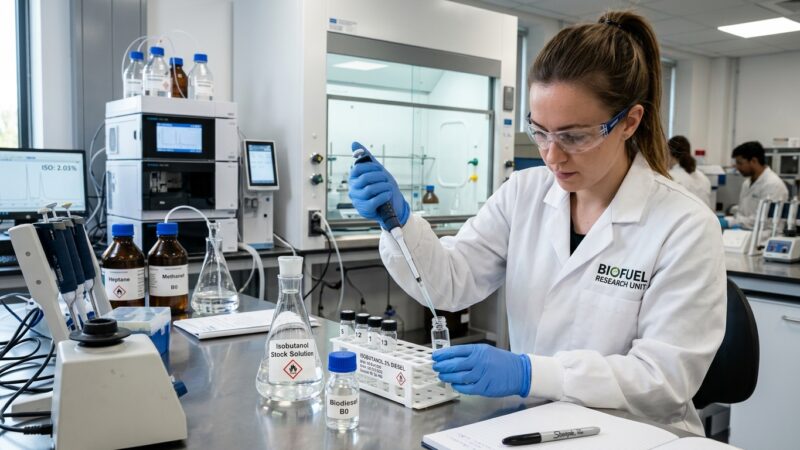
In a significant stride towards achieving its ambitious climate goals and reducing dependence on imported fossil fuels, India has officially initiated validation trials for a 2% isobutanol and 98% diesel fuel blend. Spearheaded by the Ministry of Petroleum and Natural Gas in collaboration with leading automotive research institutes and oil marketing companies, this pilot program represents a critical phase in the nation’s transition to cleaner alternative fuels. The trials are designed to evaluate the real-world viability of integrating isobutanol into the existing commercial and passenger vehicle fleet.
Isobutanol is increasingly being recognized as a superior blending agent compared to traditional biofuels like ethanol. As a higher-chain alcohol, it boasts an energy density that closely matches that of conventional diesel, ensuring that vehicle performance and fuel economy remain largely unaffected. Furthermore, isobutanol has a low affinity for water, mitigating the risk of engine corrosion and phase separation during storage and transport. This makes it an ideal drop-in fuel that requires little to no modification to current diesel engine architectures.
Environmental and Economic Implications
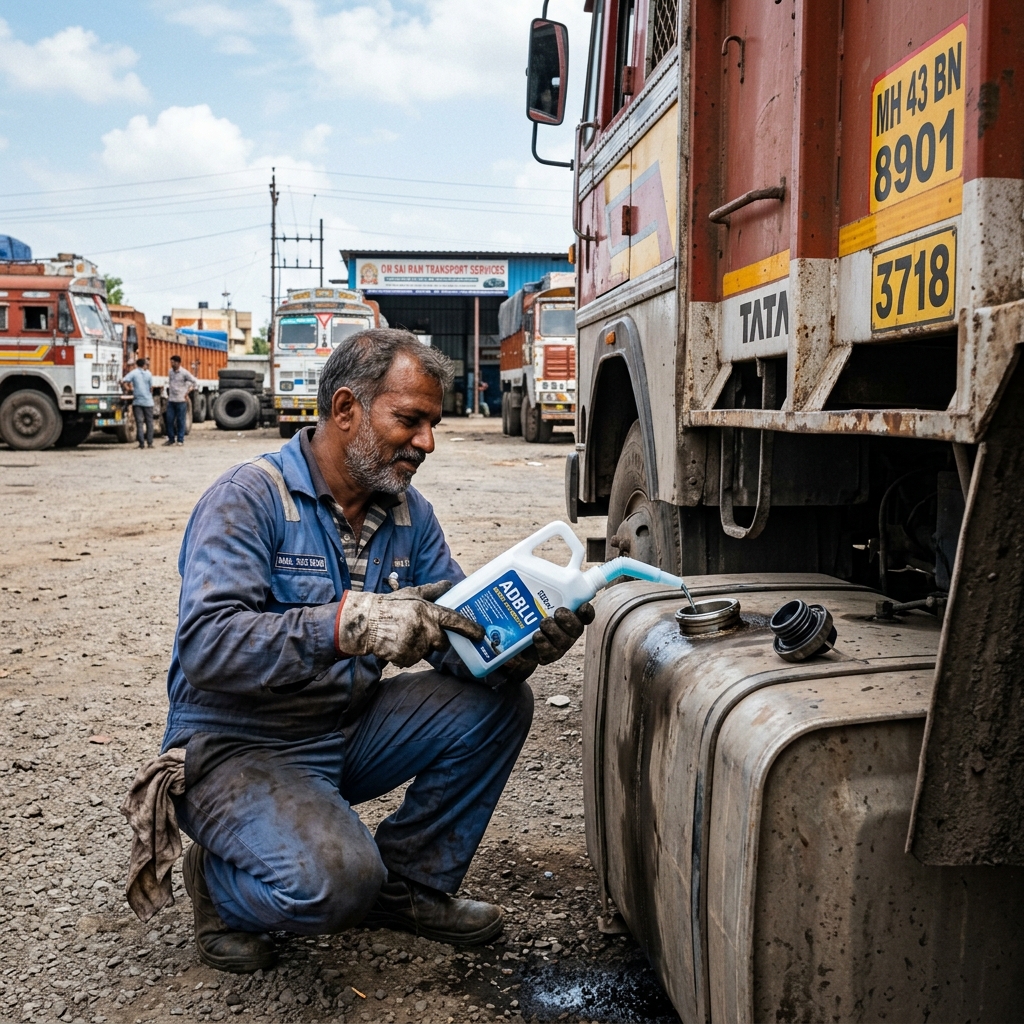
The successful integration of isobutanol blends carries profound environmental and economic benefits for the subcontinent. Environmentally, the oxygenated nature of isobutanol promotes more complete combustion within the engine, leading to a substantial reduction in tailpipe emissions, including harmful particulate matter and unburned hydrocarbons. Economically, domestic production of isobutanol from agricultural residue and biomass can bolster the rural economy while saving the national exchequer billions of dollars currently spent on importing crude oil, perfectly aligning with the government’s Aatmanirbhar Bharat (Self-Reliant India) initiative.
The ongoing validation trials are rigorous and comprehensive, encompassing a wide array of testing parameters. Fleet vehicles operating across diverse topographies and climatic zones in India are being monitored for engine durability, cold-start performance, and overall drivability over extended periods. Researchers are also closely analyzing the long-term impact of the 2% blend on fuel injection systems and exhaust after-treatment devices to ensure compliance with the stringent Bharat Stage VI (BS-VI) emission norms.
Looking ahead, the outcomes of these validation trials could lay the groundwork for a broader rollout of isobutanol-blended fuels across the nation. If the pilot proves successful, policymakers may mandate higher blending percentages in the future, catalyzing the growth of a robust domestic biofuel manufacturing ecosystem. Ultimately, this pioneering initiative not only reinforces India’s commitment to reducing its carbon footprint but also sets a compelling precedent for other developing economies navigating the complex transition toward sustainable transportation.
Disclaimer: This article is for informational purposes only and does not constitute investment advice, a recommendation, or a solicitation to buy or sell any securities. The views expressed are those of the author and do not represent the official position of Benzinga India. Readers should consult a SEBI-registered financial advisor before making any investment decisions. Benzinga India and its authors do not hold any positions in the securities mentioned in this article unless explicitly stated.