Indian OMCs See Surging Margins
India’s leading Oil Marketing Companies (OMCs) are currently experiencing a significant surge in their profit margins, particularly in the retail sale of petrol. Recent reports indicate that these state-run entities are capturing a remarkable margin of approximately ₹8 per litre on petrol. This financial windfall is primarily driven by the softening of international crude oil prices, allowing OMCs to widen the gap between their procurement costs and the retail selling price.
The robust profitability in the petrol segment has sparked widespread discussions regarding potential fuel price cuts for consumers. For months, retail prices have remained largely static despite fluctuations in the global oil market. The substantial ₹8 per litre margin has intensified pressure on OMCs and the government to pass on these benefits to the public, aiming to provide relief from inflationary pressures and reduce the cost of living and transportation.
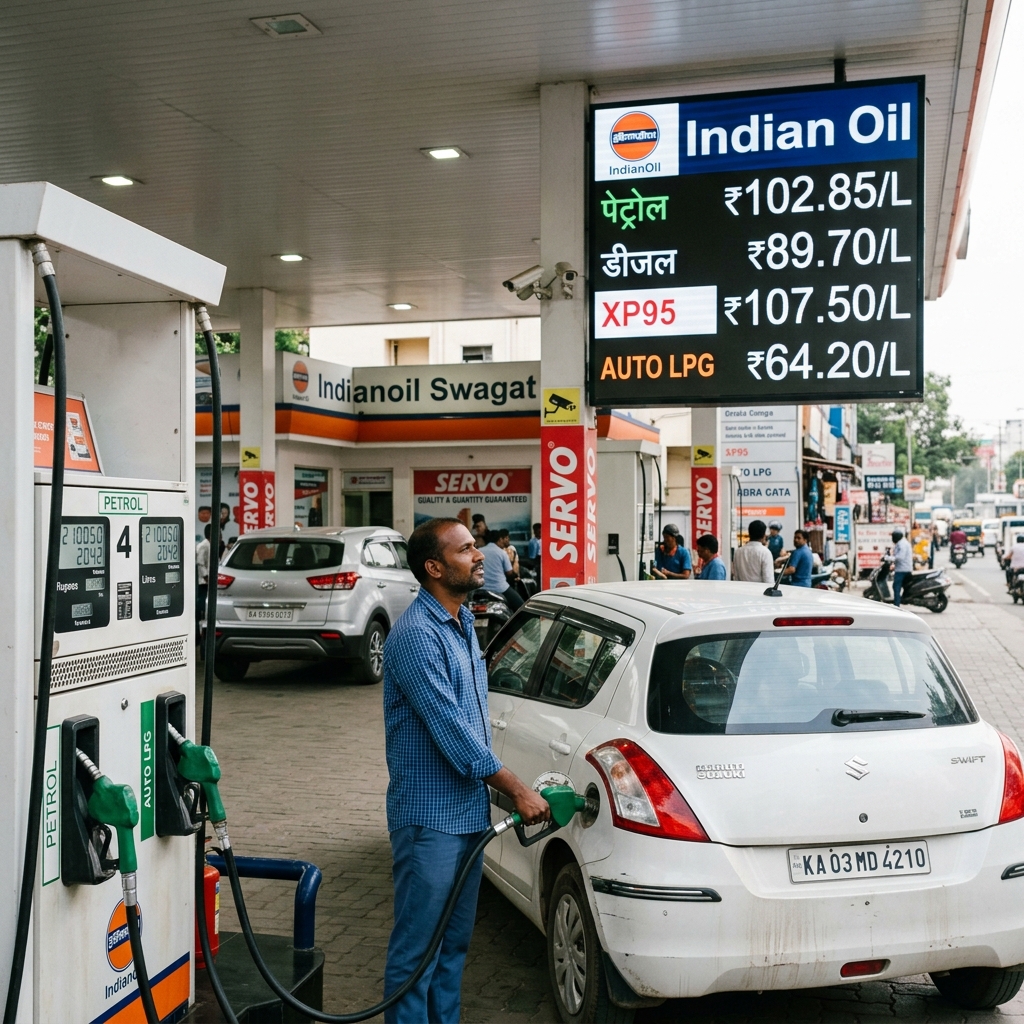
While the margins on petrol are decidedly strong, the scenario for diesel presents a more complex picture. OMCs are currently navigating tighter, or in some instances, negative margins on diesel sales. This disparity complicates the decision-making process for uniform price reductions. Since diesel is the primary fuel for commercial transportation and agriculture, its pricing has a more direct impact on inflation across various sectors of the economy.
Industry analysts suggest that the government is carefully monitoring the financial health of OMCs and the trajectory of global crude prices. Any decision to mandate price cuts will likely be a balancing act. It must weigh the need to ease the financial burden on consumers against the necessity of ensuring OMCs remain financially robust enough to handle future volatility in international energy markets without requiring sudden price hikes.
As the debate continues, consumers remain hopeful for a reduction in fuel costs. The current situation highlights the intricate dynamics of domestic fuel pricing, where global market trends, corporate profitability, and national economic policies intersect. The coming weeks will be crucial in determining whether the impressive margins on petrol translate into tangible savings at the pump for the average citizen.
Disclaimer: This article is for informational purposes only and does not constitute investment advice, a recommendation, or a solicitation to buy or sell any securities. The views expressed are those of the author and do not represent the official position of Benzinga India. Readers should consult a SEBI-registered financial advisor before making any investment decisions. Benzinga India and its authors do not hold any positions in the securities mentioned in this article unless explicitly stated.