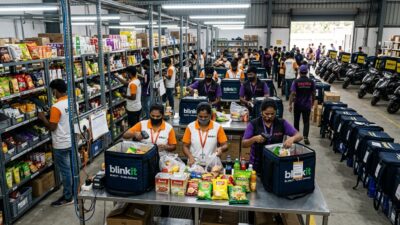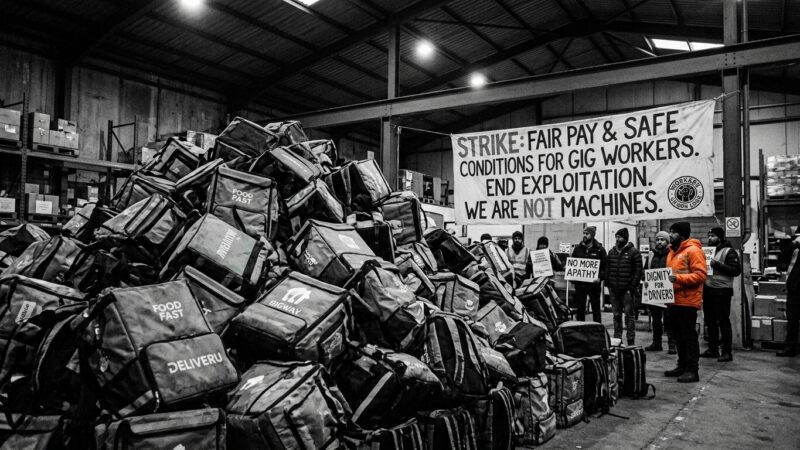
Tensions Rise in Logistics Space Over Worker Welfare and Fleet Costs
The competitive dynamics of India’s gig economy have taken a sharp turn after Rapido co-founder and CEO Aravind Sanka publicly criticized the logistics and delivery models of major platforms like Zomato and Swiggy, labeling their commission-driven aggregator framework as ‘fundamentally broken’. The critique focuses heavily on the structural limitations of the current duopoly, citing high driver churn rates, restrictive commission structures often reaching 16-30%, and the high cost of maintaining massive dedicated two-wheeler fleets.
Sanka argues that this reliance on high commissions, heavy advertising costs, and frequent price mark-ups makes food delivery unsustainably expensive for both partner restaurants and consumers. Furthermore, he contends that the industry is artificially limited by these high fees, preventing it from expanding to a broader target of 100 million active users. Unless the market expands significantly, Rapido leadership maintains that the current model will never realize its full economic potential.

High Volume, Low Margin: The Profitability Paradox of Food Delivery
To challenge the incumbents, Rapido has entered the food delivery space with an alternative approach centered on shared logistics. Instead of the commission-heavy model, Rapido utilizes its existing ride-hailing infrastructure to offer fixed, lower transparent fees ranging from 8-15%, adopting a subscription-based revenue approach. This move is essentially a strategic bet that a more efficient, multi-modal logistics network can offer a more sustainable path to profitability.
The debate highlights the persistent profitability challenges plaguing the broader gig economy sectors despite record order volumes. While incumbent leaders like Zomato’s Deepinder Goyal defend the current model as essential for providing flexible income and welfare support, the broader national focus remains on improving social security and regulating earnings. As regulatory pressure mounts, the sector is increasingly prompted to evaluate these asset-light, unified courier models to secure long-term viability.
Disclaimer: This article is for informational purposes only and does not constitute investment advice, a recommendation, or a solicitation to buy or sell any securities. The views expressed are those of the author and do not represent the official position of Benzinga India. Readers should consult a SEBI-registered financial advisor before making any investment decisions. Benzinga India and its authors do not hold any positions in the securities mentioned in this article unless explicitly stated.