A Supply-Side Shakeup
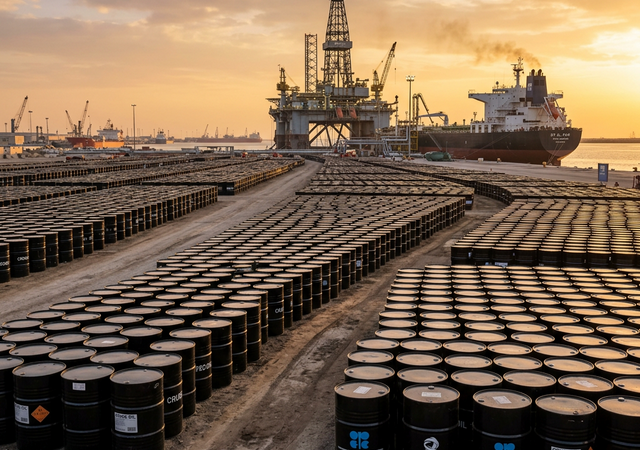
OPEC+, the powerful alliance of oil-producing nations, has reached an agreement to increase crude oil production and output in a decision that could have far-reaching implications for global energy prices and geopolitical dynamics. The move comes at a time of intense volatility in energy markets, driven by ongoing conflicts near critical supply corridors.
Key Details of the Decision
- Production Increase: The agreement calls for a gradual unwinding of previous production cuts, with member nations increasing output in phased increments over the coming months.
- Saudi Arabia’s Role: As the de facto leader of OPEC, Saudi Arabia’s willingness to boost production signals a strategic shift away from the price-support strategy that has defined OPEC+ policy for the past three years.
- Russia’s Compliance: Moscow’s adherence to any new quotas remains uncertain, given its ongoing need for oil revenue to fund military expenditures.
Impact on the Strait of Hormuz
Any increase in OPEC+ output inevitably draws attention to the Strait of Hormuz, through which approximately 20% of global oil supply transits daily. Current tensions in the region make this narrow waterway a critical risk factor, and increased production would only amplify the stakes.
Implications for India
As one of the world’s largest oil importers, India stands to benefit significantly from increased global supply, which could exert downward pressure on crude prices and help narrow the country’s current account deficit.
Disclaimer: This article is for informational purposes only and does not constitute investment advice, a recommendation, or a solicitation to buy or sell any securities. The views expressed are those of the author and do not represent the official position of Benzinga India. Readers should consult a SEBI-registered financial advisor before making any investment decisions. Benzinga India and its authors do not hold any positions in the securities mentioned in this article unless explicitly stated.