Samsung Electronics Contemplates Massive $59B Share Repurchase
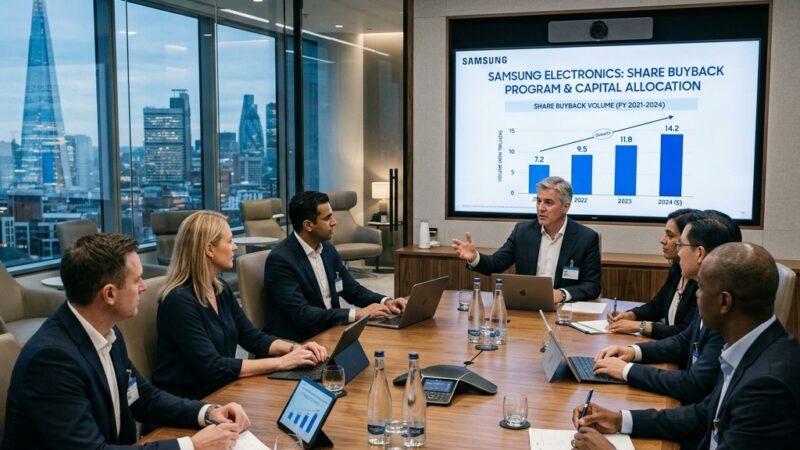
South Korean technology giant Samsung Electronics is reportedly exploring a monumental share buyback program that could total up to 90 trillion won, or approximately $59 billion, executed over the next three years. This staggering figure quickly circulated through financial markets in June 2026, driven by media reports and insider leaks. The potential move triggered an immediate, positive shock in Samsung’s stock price, demonstrating strong investor appetite for enhanced shareholder returns amid a volatile global semiconductor market.
While the exact timing and final scale of the buyback remain under evaluation by top management, the primary motivation stems from internal compensation requirements rather than pure financial engineering. Following intensive wage negotiations earlier in the year, Samsung agreed to issue special performance bonuses to its crucial semiconductor division employees in the form of company stock. To fulfill these commitments without diluting existing shareholders, the company must acquire shares from the open market.

Aligning Employee Incentives with Long-Term Value
In addition to the semiconductor division bonuses, the repurchased shares will be heavily utilized to support Samsung’s “Performance Stock Unit” (PSU) program, which was implemented in late 2025. This compensation structure is specifically designed to align the financial interests of key executives and technical staff with the company’s long-term market performance, a retention strategy increasingly necessary to compete with aggressive recruitment from rival tech firms.
Despite the market’s enthusiastic reaction to the $59 billion figure, Samsung Electronics has issued regulatory clarifications stressing that no final decisions or board approvals have been formally scheduled. The company confirmed that while share repurchases are actively being considered to support employee compensation frameworks, investors should await official corporate disclosures before pricing in a multi-year, 90-trillion-won commitment. Analysts are closely watching the situation, as a buyback of this magnitude would significantly stabilize Samsung’s equity valuation and set a new benchmark for capital allocation in the South Korean tech sector.
Disclaimer: This article is for informational purposes only and does not constitute investment advice, a recommendation, or a solicitation to buy or sell any securities. The views expressed are those of the author and do not represent the official position of Benzinga India. Readers should consult a SEBI-registered financial advisor before making any investment decisions. Benzinga India and its authors do not hold any positions in the securities mentioned in this article unless explicitly stated.