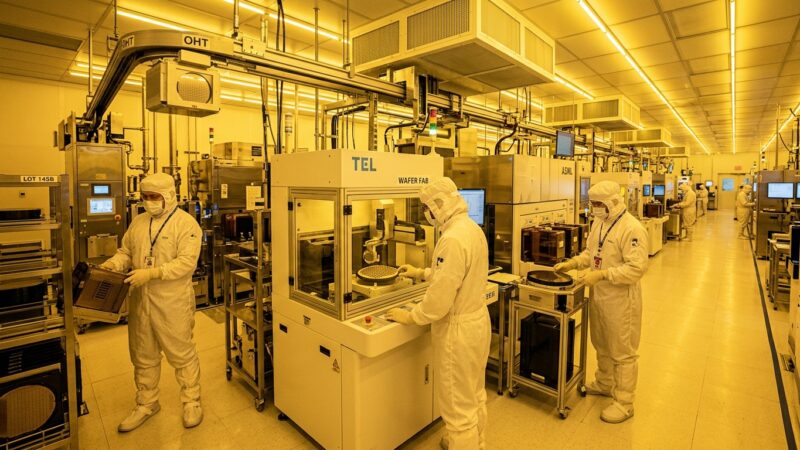
The global semiconductor industry is experiencing an unprecedented supercycle driven by explosive demand for High Bandwidth Memory (HBM) and advanced AI accelerators. South Korean memory giants Samsung Electronics and SK Hynix reported record-breaking earnings for the second quarter of 2026, confirming that hyper-scaler AI infrastructure builds are absorbing every available wafer of next-generation DRAM and HBM3e/HBM4 chips. The massive financial rebound in memory division balance sheets reflects a dramatic turnaround from the memory downturn experienced in prior years.
Samsung Electronics reported an extraordinary operating profit surge in its semiconductor business, posting an 89.2 trillion won (~$61.5 billion) operating profit for the chip division in Q2 2026. This represents a staggering 250-fold increase compared to the heavily depressed base of the previous year. Although Samsung’s mobile experience (MX) unit faced headwinds from rising component costs and consumer smartphone cooling, the memory division’s HBM supply agreements with tier-1 AI chipmakers completely eclipsed consumer hardware softness. Samsung executives projected that structural AI memory supply shortages could persist well into 2028.
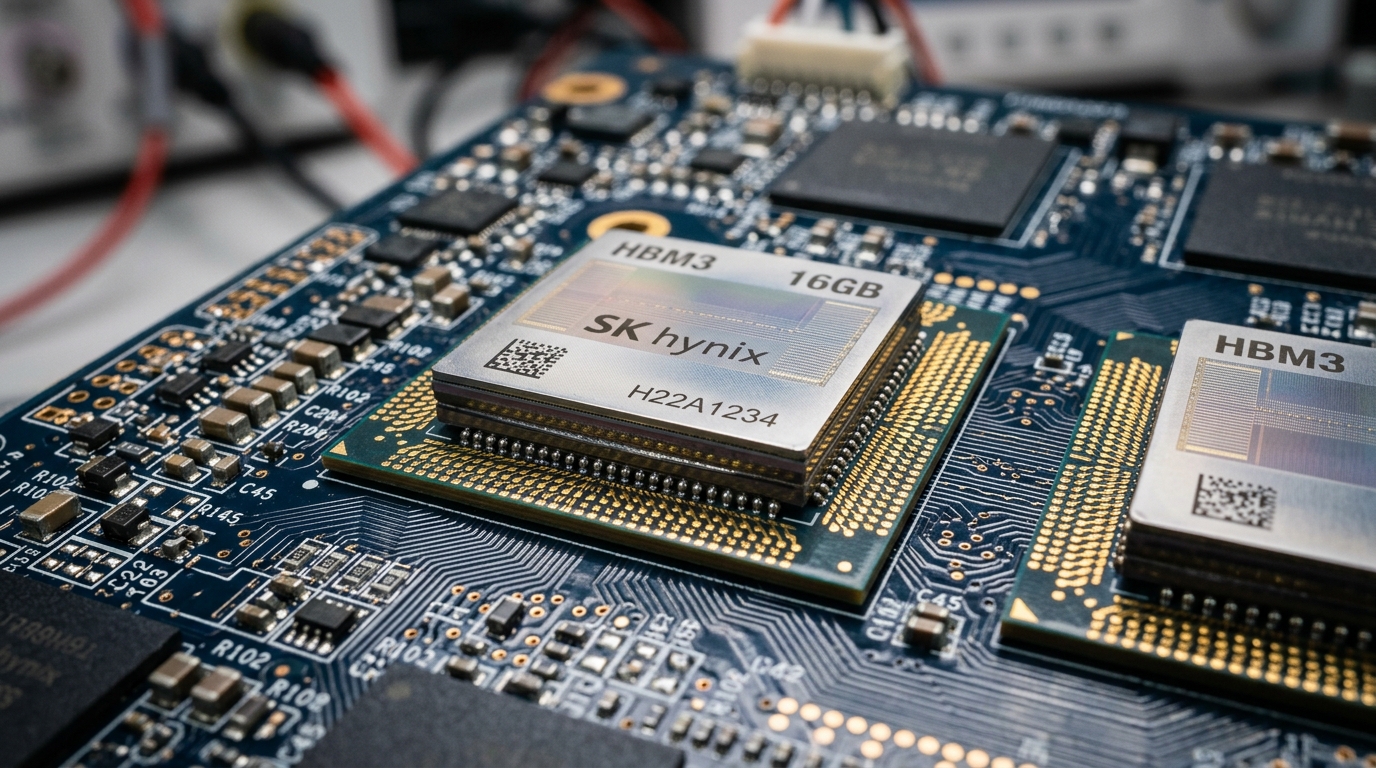
Concurrently, SK Hynix solidified its position as the premier HBM supplier, posting a record quarterly operating profit of 60.5 trillion won—a 557% year-over-year jump. SK Hynix’s early technology lead in HBM3e packaging and high-yield TSV (Through-Silicon Via) manufacturing has allowed it to secure premium pricing and long-term supply agreements with leading GPU producers. Both South Korean chipmakers are ramping up capital investments in 1b-nanometer DRAM lines to meet stringent enterprise qualification requirements.
Apple Supply Chain Diversification Accelerates
Parallel to the South Korean chip surge, Apple Inc. is executing a multi-faceted restructuring of its global manufacturing footprint to mitigate geopolitical risks and single-region reliance. Apple is actively shifting a major portion of U.S.-bound iPhone assembly to high-capacity industrial hubs in India by late 2026. Simultaneously, Apple is expanding component sourcing partnerships with Samsung Electronics for advanced OLED displays and memory chips, reducing its sole-source exposure across critical hardware modules.
Despite record-breaking quarterly profits from Samsung and SK Hynix, technology stock indices have experienced sharp intraday volatility as institutional investors debate capex efficiency and cyclical sustainability. Analysts note that while enterprise AI demand remains exceptionally strong, memory producers must carefully balance massive fab expansion plans against potential future inventory corrections. Nevertheless, with HBM capacity fully booked through 2027, the South Korean semiconductor ecosystem remains the central pillar powering global artificial intelligence infrastructure.
Disclaimer: Financial news and technology market analysis presented on Benzinga India are provided for informational and educational purposes only. Market investments and corporate equities carry inherent market risks. Readers should consult certified financial advisors before making investment decisions.