Indian D2C Sector Matures with Massive 33% Volume Surge
The homegrown Indian direct-to-consumer (D2C) ecosystem is experiencing a remarkable transition from its initial high-burn growth phase to a more disciplined, profitability-focused era. According to industry reports for the fiscal year ended March 31, 2026, the sector recorded an impressive 33% year-on-year surge in order volumes. This was accompanied by a robust 32% increase in Gross Merchandise Value (GMV). Notably, this expansion is being driven primarily by genuine volume growth and wider market penetration, rather than just price hikes or aggressive discounting strategies.
A defining factor behind this surge is the rapid expansion of D2C brands into Tier-2 and Tier-3 cities. These smaller, non-metro markets have become the engine of the industry, accounting for nearly 66% of all new orders and contributing a staggering 60% to the incremental GMV. As digital penetration deepens across ‘Bharat’, consumers outside major urban centers are increasingly opting for premium, niche D2C products spanning beauty, personal care, fashion, and food and beverage categories.
Pivot to Profitable Growth and Operational Efficiency
Despite the massive top-line growth, the overriding theme for Indian D2C brands in 2026 is the pivot toward “profitable growth.” The era of ‘growth-at-all-costs’, fueled by cheap venture capital and high-cost performance marketing, has ended. Founders are now aggressively prioritizing strong unit economics, operational efficiency, and customer retention over sheer customer acquisition. Brands are optimizing their marketing mixes, moving away from an over-reliance on paid media toward more sustainable discovery systems that include organic search and community-building.
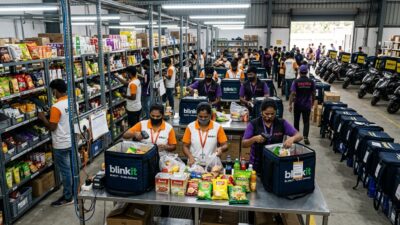
Operationally, brands have made significant strides in solving one of the industry’s biggest profit killers: Return-to-Origin (RTO) rates. Thanks to advanced, AI-led address verification tools and better supply chain management, RTO rates have plummeted from nearly 39% in late 2025 to roughly 21% by early 2026. Looking ahead, D2C brands are actively scaling their omnichannel presence by integrating deeply with quick-commerce dark stores to offer 10-minute deliveries, while simultaneously exploring lucrative international markets like the Middle East.
Disclaimer: This article is for informational purposes only and does not constitute investment advice, a recommendation, or a solicitation to buy or sell any securities. The views expressed are those of the author and do not represent the official position of Benzinga India. Readers should consult a SEBI-registered financial advisor before making any investment decisions. Benzinga India and its authors do not hold any positions in the securities mentioned in this article unless explicitly stated.