Central Bank Mandates Debt-to-Income Limits for Retail Loans
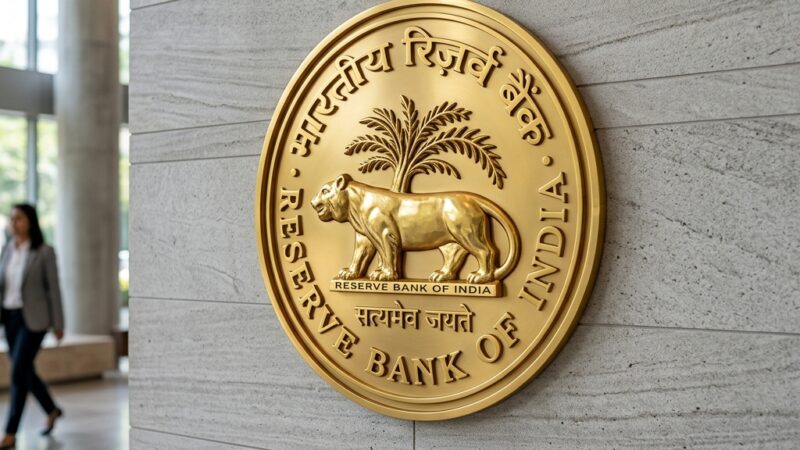
The Reserve Bank of India (RBI) has issued a directive establishing a 50% cap on monthly EMI obligations in relation to a borrower’s monthly income. Under the new guidelines, banks and Non-Banking Financial Companies (NBFCs) must verify that a borrower’s total monthly loan repayments, including existing and proposed loans, do not exceed 50% of their documented net income before approving new retail loans.
This measure is designed to address rising household debt and prevent over-indebtedness among retail borrowers. The RBI has applied similar limits to microfinance loans, requiring that monthly household debt obligations do not cross 50% of the household income. Lenders must implement standardized income assessment algorithms to verify salary slips, bank statements, and tax filings.

Enforcing Transparency in Digital Lending Platforms
In addition to the debt-to-income limits, the RBI has tightened compliance requirements for digital lending apps. Lenders are required to provide a standardized Key Fact Statement (KFS) detailing the Annual Percentage Rate (APR), processing fees, and loan terms before a contract is signed. The guidelines also mandate a cooling-off period during which borrowers can exit a loan without penalty by repaying the principal, and prohibit automatic credit limit increases without explicit consent.
Disclaimer: This article is for informational purposes only and does not constitute investment advice, a recommendation, or a solicitation to buy or sell any securities. The views expressed are those of the author and do not represent the official position of Benzinga India. Readers should consult a SEBI-registered financial advisor before making any investment decisions. Benzinga India and its authors do not hold any positions in the securities mentioned in this article unless explicitly stated.